

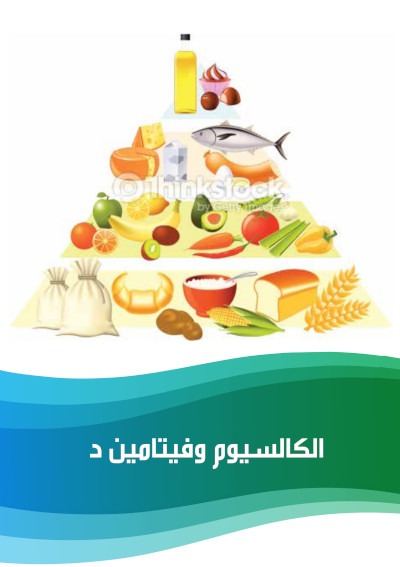
What is Vitamin D?
Vitamin D is considered a fat-soluble vitamin. Its fat solubility is very important because it allows the body to store it for future use. Unlike other vitamins, we do not need to obtain vitamin D from the food we eat.
What foods contain Vitamin D?
Below are the foods that contain vitamin D:
-
Oily (fatty) fish
-
Liver
-
Egg yolks
-
Mushrooms
-
Cheese, yogurt, and butter
Who suffers from Vitamin D deficiency?
-
Growing children, pregnant women, and breastfeeding women all need additional doses of vitamin D to compensate for this deficiency.
-
People who are not exposed to sunlight are also at risk of vitamin D deficiency.
-
Continuous use of sunscreens may lead to vitamin D deficiency, especially with excessive use of sun protection creams.
-
People with Crohn’s disease.
-
Vitamin D deficiency can also occur in people taking certain medications, such as carbamazepine, phenytoin, painkillers, and some medications used to treat HIV/AIDS.
What are the symptoms of Vitamin D deficiency?
-
Patients with vitamin D deficiency may experience muscle spasms, seizures, and difficulty breathing.
-
Children with severe vitamin D deficiency may develop softening of the skull or brittle bones. Their legs may appear bowed, a condition known as “rickets.”
-
Children with vitamin D deficiency may experience delayed teething due to the effect on baby teeth.
-
Children with vitamin D deficiency are more susceptible to illnesses and have a significantly increased risk of respiratory diseases. Breathing is also negatively affected due to weak chest muscles and softening of the rib cage.
-
Increased bone pain, often concentrated in the ribs, hips, pelvis, thighs, and feet.
What doses are taken to combat Vitamin D deficiency?
Pre-menopausal women and men should take at least 800 international units, while post-menopausal women who are not taking estrogen should take 1000 to 1500 international units. It is now recommended that adults with or at risk of osteoporosis take at least 800 international units of vitamin D daily.
How to take Calcium
-
Calcium is taken in the same way your body absorbs all other medications. If you are taking other medications, you should take calcium at different times.
-
Try to take your calcium doses at the same time each day to avoid missing any dose.
-
Post-menopausal women should take 800 to 1000 mg of calcium per day.