

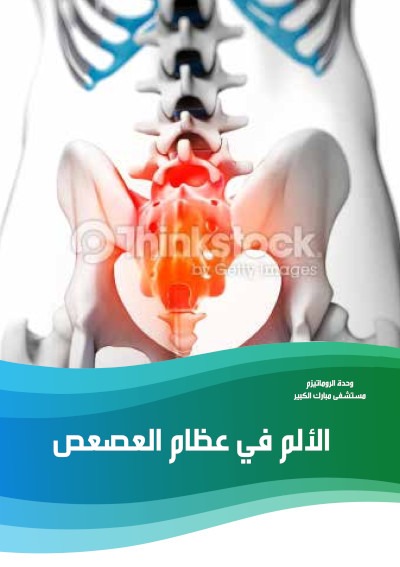
What is the function of the tailbone?
The tailbone is sometimes referred to as the coccyx because it is the last remaining part of the full tail belonging to ape-like ancestors. The coccyx is located just above the crease of the buttocks and curves forward toward the front of the body.
What is tailbone pain?
Pain in the tailbone area is called coccydynia. Coccydynia can range from mild discomfort to sharp pain that varies among people and can vary over time in the same individual.
What are the symptoms of tailbone pain?
The classic symptom is feeling pain when pressure is applied to the tailbone, such as when sitting on a hard seat. Symptoms usually improve when pressure is relieved from the tailbone upon standing or walking. Some patients may experience pain during bowel movements or during sexual intercourse.
What causes tailbone pain?
Tailbone pain can appear after a fall, childbirth, repetitive strain, surgery, and in some cases the cause is unknown. This condition is more common in women, at a rate up to five times that of men, possibly because the female pelvic structure makes the coccyx more susceptible to injury.
How is tailbone pain diagnosed?
One of the first goals of examination is to rule out any diseases such as cancer or fracture as the cause of pain. This diagnosis is very unlikely, but it needs to be verified. X-rays, CT scans, and MRI can be used for this purpose.
What are the treatment options for tailbone pain?
-
Pain relievers, including anti-inflammatory medications, may be prescribed.
-
Stool softeners may help prevent constipation and reduce painful bowel movements.
-
Symptoms can be relieved by sitting on one buttock or sitting on a foam cushion or an air-filled cushion.
-
A physical therapist can help with treatment by massaging the coccyx, local pain relief, and stretching the levator ani muscle.
-
The therapist can teach you methods to help relax the pelvic floor muscles.
-
In chronic cases, local nerve injections may be helpful, with local anesthetic and corticosteroid injections given directly into the painful area.
-
Surgical removal of the tailbone is only considered when conservative treatment fails to relieve painful symptoms or in cases of recurrent symptoms.
What can I do to help relieve the pain?
-
If you have tailbone pain, it may be difficult to relieve pain when sitting upright. However, leaning forward in your seat while sitting and supporting your arms in front of you on a flat surface such as a table may help.
-
Wear loose-fitting clothing that does not put pressure on the tissues surrounding the tailbone.
-
Wear comfortable flat shoes.
-
Try sleeping with a pillow or cushion between your knees.
-
Applying a warm or cold compress to the base of the spine may help relieve pain.