

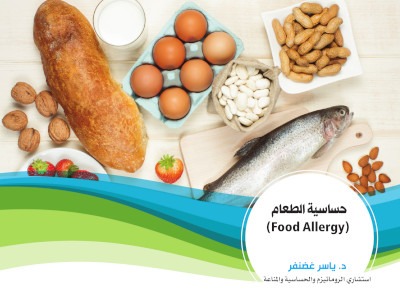
Food allergy affects about 1 in every 20 children and about 1 in 100 adults. The majority of food allergies in children are not severe and will disappear over time. The most common triggers are chicken eggs, cow’s milk, peanuts and hazelnuts. Less common triggers include seafood, sesame and soy, fish and wheat. Peanuts and hazelnuts, seeds and seafood are the main causes of lifelong allergy.
Some food allergies can be severe, causing life‑threatening reactions known as anaphylaxis, which occur within 30 minutes of eating.
What is food allergy?
Some people react to what doctors call a hypersensitivity reaction when eating certain foods or additives. For a negative reaction to be called food hypersensitivity, an individual must have specific symptoms, namely:
-
They appear when the person eats the food that is a source of sensitisation for them.
-
They disappear or decrease when the person avoids the allergenic food.
-
They reappear when the problem food is given again to the person with food allergy.
What are the symptoms of food allergy?
Symptoms of food allergy usually include: hives, swelling around the mouth, and vomiting. Other symptoms include a runny or blocked nose, stomach pain, or diarrhoea.
What are the dangerous symptoms of food allergy?
Symptoms of acute allergic reactions (anaphylaxis) include severe difficulty breathing and respiratory dysrhythmia, and may include any of the following symptoms:
-
Difficulty breathing.
-
Swollen tongue.
-
Swelling or constriction of the larynx.
-
Difficulty speaking, a hoarse voice, or persistent coughing.
When does food allergy develop?
Food allergy can develop at any age, but it most commonly affects children under five years of age.
How do we diagnose food allergy?
Accurate diagnosis of food allergy is a specialised procedure that requires considerable clinical experience. Currently, there are a number of diagnostic tests and procedures available to doctors, including:
-
Skin prick test.
-
Blood tests.
-
Challenge testing – among the tests and procedures used to diagnose food allergy. All current diagnostic tests have advantages and disadvantages.
Does food allergy run in families?
In general, parents of children with food allergy are not prone to such allergies. However, if a family has one child with food allergy, their siblings are at slightly higher risk of having a food allergy themselves, although the risk remains relatively low.
Some parents want to have their other children screened for food allergies. If the test is negative, it may be reassuring, but it does not mean that the other child will not develop an allergy in the future. If the test is positive, it is not always clear whether the result definitely indicates an allergy.
Does food allergy persist as people get older?
The majority of children allergic to cow’s milk, wheat, soy or eggs will be able to tolerate these foods by the time they reach school age, often before starting school. In contrast, allergy to peanuts, hazelnuts, seeds and seafood persists in the vast majority of affected children. When food allergy first develops in adults, it usually persists.
What is meant by food intolerance?
The phenomenon of food intolerance is difficult to understand. Sometimes substances within foods can increase the frequency and severity of migraines, skin rashes, or stomach upset resulting from irritable bowel syndrome.
Foods are made up of protein, carbohydrates, fats and various nutrients, as well as a number of natural chemicals. These chemicals can cause food intolerance. Coincidence can also cause a lot of confusion in this matter, since we spend many waking hours eating or drinking.