

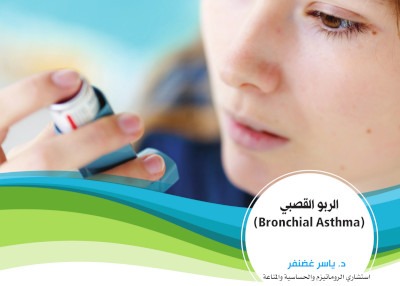
What Is Bronchial Asthma?
Asthma is a disease that affects the bronchi, airways, and air passages in the lung. When you have asthma, narrowing and swelling occur in the airways of the lungs. As a result, these bronchi and respiratory passages produce excess mucus, and breathing becomes difficult. The most common signs and symptoms of asthma are coughing, wheezing, and shortness of breath.
What Are the Symptoms of Asthma?
Asthma symptoms range from mild to severe and vary from person to person. You may have symptoms that appear mainly at night, during exercise and sports training, or when you are exposed to specific triggers. The symptoms and signs indicating asthma include the following:
Difficulty breathing.
Tightness and pain in the chest.
Sleep problems resulting from difficulty breathing, coughing, and wheezing.
An audible wheezing or rattling sound upon exhaling.
Episodes of coughing or wheezing that worsen in the case of infection by a virus affecting the respiratory system such as a cold or flu.
What Are the Types of Asthma?
In some people, asthma symptoms appear under certain conditions, including:
Exercise-Induced Asthma: which occurs when performing physical exercises and sports training.
Occupational Asthma: Asthma that occurs or worsens through breathing in a workplace environment that is likely to trigger asthma attacks from the smell of chemicals, gases, and dust.
Allergy-Induced Asthma: Some people have asthma symptoms that are triggered and provoked by one of the factors and elements that constitute a source of allergy, such as pet fur, cockroaches, and pollen.
When Should an Asthma Patient Visit the Emergency Departments of Hospitals and Clinics?
When seeking emergency treatment, you should work and coordinate with your doctor in advance to determine what should be done when signs and symptoms appear that significantly worsen your health condition — and when you need to receive treatment in the emergency department. If fast-acting soothing and relieving medications do not reduce the symptoms of acute asthma attacks, then you must seek emergency help immediately. The signs and symptoms of an asthma condition that require seeking emergency health care include the following:
- Rapidly worsening condition accompanied by shortness of breath and wheezing.
- No improvement even after using the asthma inhaler used to relieve asthma attacks, such as Ventolin.
- Shortness of breath when performing minimal physical activity.
What Triggers and Provokes Asthma Attacks?
It is not clear why some people develop asthma and others do not, but this is likely due to a combination of environmental and genetic factors. Exposure to a number of allergens and various irritants can lead to the signs and symptoms of asthma, including:
- Airborne allergens such as pollen, pet dander, mold, cockroaches, and dust mites.
- Respiratory infections such as colds.
- Physical activity (asthma triggered by exercise and sports training).
- Cold air.
- Air pollutants and irritants, such as smoke.
- Certain medications, including beta blockers, aspirin, and other non-steroidal anti-inflammatory drugs.
- Emotional stress and nervous tension.
- Sulfites and preservatives added to certain types of food and beverages.
- Gastroesophageal Reflux Disease (GERD), which results in stomach acids flowing back up into the throat.
- The menstrual cycle in some women.
- Allergy to certain foods, such as peanuts and shellfish.
What Are the Risk Factors That May Develop as a Result of Asthma?
It is believed that a number of factors can increase the chances of developing asthma, including:
- Having a blood relationship (such as a parent, brother, or sister) with someone who suffers from asthma.
- Having an allergy-triggering condition, such as eczema or nasal allergy.
- Being overweight.
- Smoking.
- Exposure to secondhand smoke.
- The mother smoking during pregnancy.
- Exposure to exhaust fumes or other types of pollution.
- Low birth weight.
How Can We Diagnose Asthma?
In order to rule out other possible conditions, your doctor will conduct a physical exercise test, ask questions about your signs and symptoms, and about any other health problems. You can also undergo lung function tests to determine the amount of air moving in and out during the breathing process. Lung function tests include the following:
Spirometry: This test measures the degree of narrowing of the airways in your lungs by checking how much air you can exhale after taking a deep breath, and how quickly you can push the air out of the lungs.
Peak Flow: A simple device that measures how forcefully you can push air out of the lungs. An abnormally low reading may be an indication that your lungs are not working well and that asthma is worsening.
Methacholine Challenge Test: If the patient has asthma, inhaling a known asthma-triggering substance called methacholine will cause a mild constriction in the airways and bronchi. If your reaction to this trigger is allergic, this means there is a possibility that you have asthma. This test is conducted when lung functions are normal and there is a strong suspicion of asthma.
Nitric Oxide Test: This test is sometimes performed to diagnose and monitor asthma. It measures the amount of the gas called nitric oxide present in exhaled air. If the level of nitric oxide is above normal, this means there is inflammation in the airways and bronchi, which is one of the signs of asthma, although this test is not widely used.
How Do We Treat Asthma?
Prevention and long-term monitoring is the best means of preventing asthma attacks. Treatment involves the patient identifying the sensitizing and triggering factors and taking the necessary steps to avoid them, in addition to monitoring respiratory function to ensure that daily medications are performing their role in adequately controlling symptoms. If a sudden attack occurs, the patient may need to use a handheld inhaler containing a bronchodilator such as Salbutamol.
The selection of the most appropriate medication for each patient depends on several factors including age, symptoms, the factors that trigger asthma attacks, and the factors that best contribute to controlling symptoms. Long-term preventive medications help reduce the inflammatory condition in the airways that leads to the appearance of symptoms. Emergency inhaled bronchodilators quickly open up the swollen airways whose swelling restricts the breathing process.
Long-Term Control Medications
In most cases the patient needs to take these medications daily, and they include the following categories:
Inhaled Corticosteroids such as Fluticasone “Flovent Diskus,” Budesonide “Pulmicort Flexhaler,” Mometasone “Asmanex,” Flunisolide “Aerobid,” Beclomethasone “Qvar,” and others. These are the most common forms of medications prescribed for long-term use in the treatment of asthma. The patient may need to use these medications for many days and even weeks before they reach their peak effect. Unlike systemic (oral) corticosteroids, these steroids do not carry a high risk of side effects and are generally safe for long-term use.
Leukotriene Modifiers: These are oral medications that include Montilukast, Cincolide, and they help prevent asthma symptoms for 24 hours.
Long-Acting Beta Agonists (LABAS).
Theophylline: Taken in the form of a daily pill that helps keep the airways and bronchi open. This drug works by relaxing the muscles in the walls of the airways to facilitate breathing.
Quick-Relief Medications
These are emergency treatments used to treat sudden short-term symptoms that occur during an asthma attack or before any physical exercise, after consulting the doctor. The different types of these medications include:
Short-Acting Beta Agonists: These are emergency inhaled bronchodilators that can treat symptoms quickly during an asthma attack, and they include Albuterol and Pirbuterol. The effects of these medications begin within minutes and last for several subsequent hours.
Ipratropium “Atrovent”: Your doctor may prescribe this medication for the immediate relief of infection symptoms. Like other types of inhaled bronchodilators, this drug relaxes the smooth muscles in the airways, which facilitates breathing. It is most often prescribed for patients with Emphysema and Chronic Bronchitis, and sometimes for the treatment of asthma attacks.
Oral or Intravenous Corticosteroids: To reduce inflammation in the respiratory airways of those with severe asthma, including Methylprednisolone. These medications may have significant side effects if used over long periods and are therefore used only in short courses to treat severe asthma symptoms.
How Do We Treat Allergic Asthma?
If various allergens and substances are the cause of triggering asthma attacks or worsening them, the patient may benefit from allergy treatments that include:
Allergy Shots (Immunotherapy): These are injections given once a week for several months and then once a month for 4-5 years. These treatments gradually reduce the immune system’s reaction to specific allergy triggers.
Omalizumab: This is prescribed specifically for patients suffering from severe allergic asthma and works through a mechanism of modifying the immune system. It is given as an injection every four weeks.
Allergy Medications: These include Antihistamines, oral nasal sprays, decongestants, in addition to Corticosteroids.
Do I Need to Change My Lifestyle to Control My Asthma?
Taking the necessary steps and measures to reduce exposure to allergens that can trigger asthma symptoms forms a key part of how to control asthma. The following presents some recommendations that may be useful:
Using air conditioning: Using air conditioning reduces the amount of pollutants carried with the air such as pollen from trees and weeds that find their way into the home. Air conditioning also helps lower air humidity and reduces exposure to dust mites.
Cleaning decor and furniture: From dust that may worsen nighttime symptoms. It may be helpful to cover some bedroom components such as stuffed pillows and beds with spring mattresses with dust-proof covers, replacing fabric floor carpets with hard floors such as wood or other materials, and using washable curtains.
Ensuring appropriate air humidity: By changing the filters of the air conditioner and heating fireplace annually, adding fine particle filters to the home ventilation system, and changing the water used in the air conditioner daily if possible.
Reducing exposure to pet fur and dander: If the patient is allergic to these, they should avoid contact with animal fur and feathers, and bathe pets kept in the home.
Cleaning the home regularly: At least once a week, wearing the necessary masks to avoid inhaling dust during this process.
Covering the face before going out into cold air: For patients who suffer attacks or whose symptoms worsen upon exposure to cold, dry air.
Maintaining good health: Health care measures and treating other health conditions the patient suffers from help keep asthma symptoms under proper control. These measures include:
- Exercising regularly, as having asthma does not mean the patient is unable to perform physical activities or must live a sedentary lifestyle, since the treatments taken aim to reduce the risk of an attack during physical activity.
- Regular physical activity helps strengthen the heart and lungs, which helps reduce asthma symptoms. The patient should not forget that exercising in cold weather may trigger an asthma attack, requiring the wearing of a protective mask over the face to warm the air the patient inhales.
- Maintaining an ideal weight: Excess weight contributes to worsening the symptoms experienced by the asthma patient and increases the likelihood of developing many other diseases.
- Eating fruits and vegetables: Consuming generous amounts of fruits and vegetables may help support respiratory function efficiency and reduce asthma symptoms, as these foods are rich in protective compounds (antioxidants) that support the immune system in the body.
- Controlling acid reflux symptoms: Acid reflux from the stomach may cause tissue damage in the respiratory tract and worsen asthma symptoms. Consult your doctor if you experience persistent acid reflux symptoms, as treating these symptoms may be required before addressing asthma symptoms.
Does Alternative Medicine Treat Asthma?
Breathing Techniques: Such as the Buteyko Breathing Technique, the Papworth Method, and yoga breathing (Pranayama).
These techniques may help reduce the amount and dosage of medications the patient needs to control asthma symptoms. Yoga classes also increase physical fitness and reduce psychological stress, which is also beneficial for the asthma patient and for controlling symptoms.
Acupuncture: This method involves placing very fine needles at central and strategic points in the body and is generally safe and painless.
Relaxation Techniques: Such as meditation, hypnosis, and progressive muscle relaxation, which may help the asthma patient reduce tension and psychological stress.
Herbal Remedies: Some herbal formulas have shown the potential to have promising effects in treating asthma symptoms, such as the Butterbur plant and dried ivy Ginkgo extract. Various mixtures of herbal medicines are also used in Chinese, Indian, and Japanese medicine. In any case, more studies are needed on these topics to prove their practical benefit and their mechanism of action on the asthma patient.