

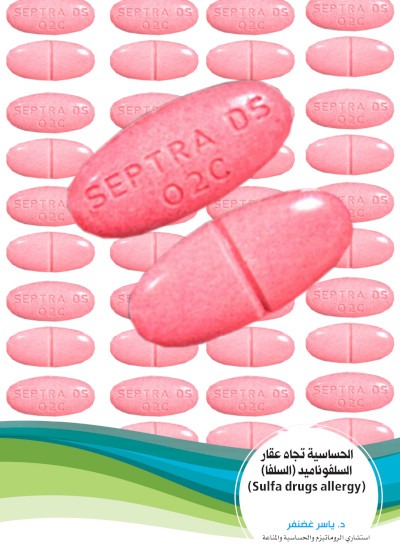
Sulfa medications used to treat many diseases can cause adverse reactions that are observed in your body after consuming and absorbing the drug, which belongs to the Sulfonamides group. This group of medications was one of the antibiotics commonly recommended for use. It may develop allergic reactions similar to those of other types of allergies within minutes or a few hours after the drug is absorbed.
How Common is Sulfa Drug Allergy?
The effect of sulfa drugs is observed in approximately 3% of all people. While not very common, some people are more susceptible to sulfa drug allergies, and the exact cause of this allergy has not yet been identified. It is known that people who suffer from disorders such as HIV/AIDS are at a greater risk of developing an allergy from taking sulfa drugs.
What are the Symptoms of Sulfa Drug Allergy?
1- Skin itching.
2- Light sensitivity (a reaction to sunlight during the treatment period).
3- Pain in the joints and muscles.
4- Swelling of the lymph nodes.
5- Swelling of the tongue and face.
6- Difficulty breathing.
How are Sulfa Allergy Reactions Diagnosed?
There is no test that can be used to definitively determine that a patient has a sulfa drug allergy. Usually, what doctors do instead is review all of the symptoms that are apparent to both the doctor and the patient who is complaining of them.
How Can I Tell if a Medication Contains Sulfa?
Antibiotics that contain chemical substances called sulfonamides can trigger a reaction if you have a sulfa allergy. Examples of sulfonamide antibiotics include the following group of drugs:
Trimethoprim-sulfamethoxazole, with the trade name (Septrin / Bactrim)
Erythromycin-Sulfisoxazole
Other types of sulfa drugs may also trigger a reaction in some people who are sensitive to sulfa. Examples include:
– Sulfasalazine, used to treat Crohn’s disease, ulcerative colitis, and Rheumatoid Arthritis.
– Dapsone, used to treat Leprosy and Dermatitis.
Can I Take Other Medications That Contain Sulfa?
If you have had a reaction to antibiotics containing sulfonamides, there is a possibility of taking other sulfonamide medications without having a reaction. Examples of sulfa medications that are approved and suitable for patients include the following:
Diabetes medications: Glyburide (Diabeta), Glimepiride (Amaryl).
Some Non-Steroidal Anti-Inflammatory Drugs such as Celecoxib (Celebrex).
The drug Sumatriptan, commercially known as Imitrex.
Certain diuretics, for example, Furosemide (Lasix) and chlorothiazide.
How Do I Avoid Sulfa Drug Allergy?
If you know that you have a sulfa allergy, you must inform your healthcare provider before they:
– Write any prescription.
– Perform or plan any minor or major surgical procedures.
– Treat any disorders or special conditions.