

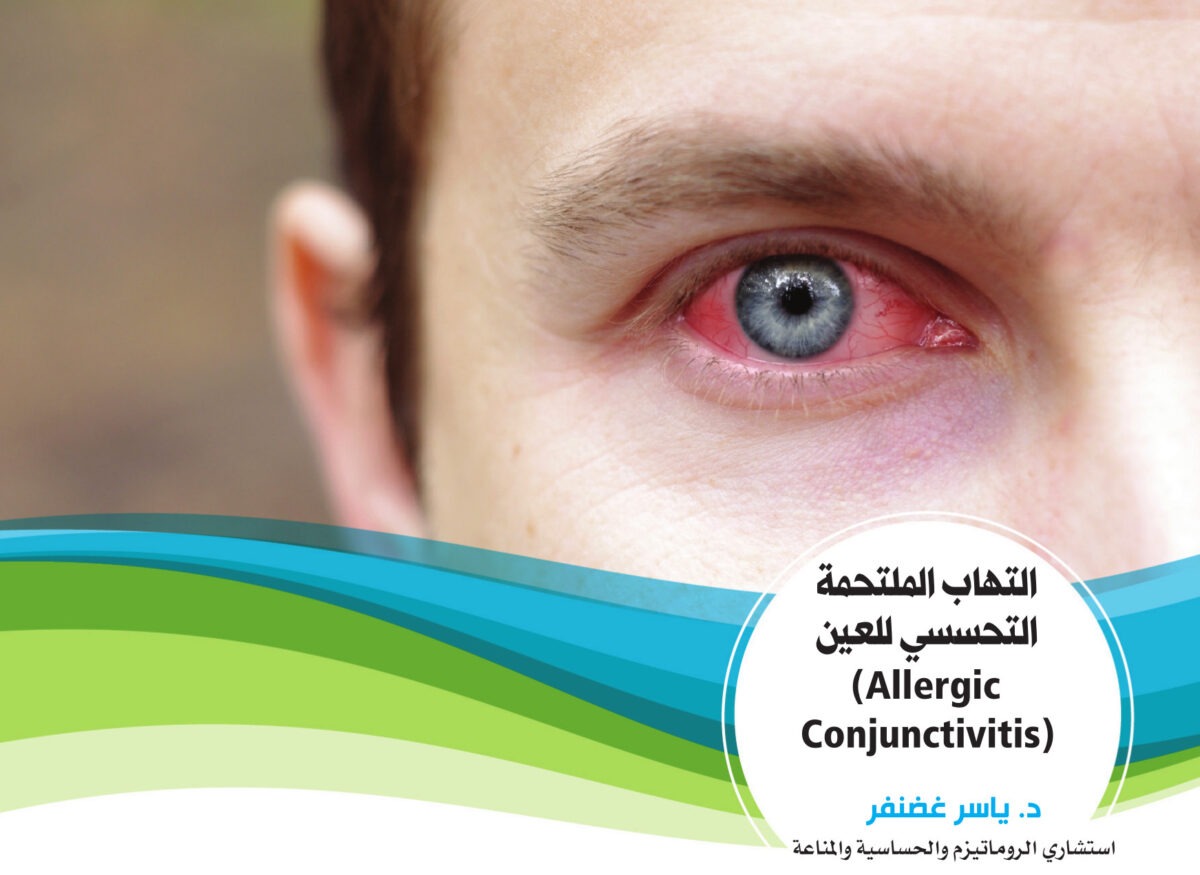
Allergic conjunctivitis is an allergic reaction that appears on the surface of the eyes. It is considered a common condition that occurs when your eyes come into contact or friction with substances that cause allergies (allergens).
How Does Allergic Conjunctivitis Occur?
When your eyes are repeatedly exposed to allergens, the body reacts and produces antibodies. When airborne allergens come into contact with the eye’s anti-allergy defenses, a process of secreting chemical substances begins, including what is known as Histamine. These chemical substances cause the symptoms of allergic conjunctivitis.
What Causes Allergic Conjunctivitis?
Infection is the most common cause of this type of inflammation. Many bacteria and viruses can cause allergic conjunctivitis.
Allergy is another common cause.
Severe allergic conjunctivitis sometimes occurs. For example, the area affected by allergic conjunctivitis may turn red and the inflammation may worsen upon contact with shampoo when bathing.
What are the Symptoms of Allergic Conjunctivitis?
The symptoms of this type of eye inflammation include:
1- Itching
2- Heavy tearing.
3- Redness
4- In some cases, swelling may result from the inflammation.
5- Both eyes are usually affected.
What Causes Allergic Conjunctivitis?
Seasonal conjunctivitis due to pollens and moulds: Seasonal allergic conjunctivitis occurs when symptoms recur at the same time each year. Most cases of this type of inflammation occur as a result of pollen during the hay fever season. Symptoms tend to last for a few weeks each year.
Perennial Conjunctivitis: This type of allergic conjunctivitis lasts throughout the year and is due to allergies caused by house dust mites, which are microscopic insects that live in all homes, primarily in bedrooms — especially in mattresses and pillows.
Allergies to Animals: Contact or friction with certain animals can lead to allergic conjunctivitis.
Giant Papillary Conjunctivitis: This type of allergic conjunctivitis is uncommon. It is an inflammation of the conjunctiva that lines the upper eyelid. It occurs in some people who have a “foreign body” on the eye — most commonly contact lenses. It also affects approximately 1 in every 100 people who wear contact lenses.
Contact Conjunctivitis:
Some people become sensitive to cosmetics, eye drops, or other chemical substances that come into contact with the conjunctiva. This causes an allergic reaction and the symptoms of conjunctivitis. In this case, the skin on the eyelids may also become inflamed.
How is Allergic Conjunctivitis Diagnosed?
Your healthcare provider will ask a series of questions about your symptoms and will examine your eyes. They will then test your reactions to specific allergens if you have a severe conjunctivitis that is not responding to standard treatment.
How is Allergic Conjunctivitis Treated?
The first treatment option is to avoid the substance or substances causing the allergy.
Some people need to take antihistamine tablets, especially if they have other allergy symptoms. If you only have eye symptoms, eye drops may be the only medication you need.
Some of the relatively newer allergy eye drops can be highly effective: one type is an anti-inflammatory, another is an antihistamine, and others contain a combination of both.
You can apply a cold compress to your eyes several times a day to help relieve symptoms.
How Long Will the Effects of the Condition Last?
The symptoms of allergic conjunctivitis will continue to be present as long as the allergen remains nearby, whether it is pollen in spring or cat hair on the carpet. Sometimes eye inflammation (bacterial conjunctivitis) occurs in addition to allergic conjunctivitis. This may happen because bacteria enter your eye as a result of rubbing or scratching it.
What Can I Do to Help Reduce Allergic Conjunctivitis?
If you are experiencing severe and intense symptoms, you may need to see an allergy specialist and undergo tests to find out what is causing your allergic reactions. There may also be a need to receive allergy injections.
In What Situations Should I See a Specialist Doctor?
See a doctor urgently if any of the following occur:
1- A change in symptoms (for example, developing sensitivity to light or beginning to experience pain in the eyes).
2- If you have pain in your eye.
3- Spots appearing on the skin near the eye.
4- If there is a deterioration in vision.