Blog

Peanut.jpg

April 13, 2026 Allergic diseases0

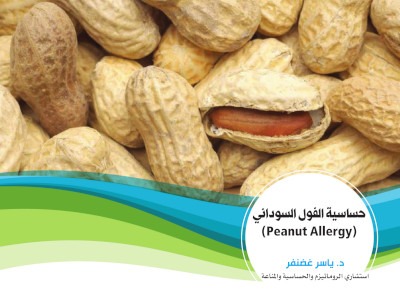
Peanut allergy is one of the most common types of food allergy in children; it persists throughout their lives and often worsens. Children with peanut allergy cannot tolerate standing near or smelling peanut butter, may refuse to touch it, and do not wish to stay in a place where peanut butter is being eaten.
Food.jpg

April 13, 2026 Allergic diseases0

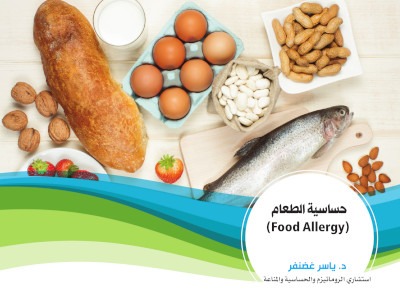
Food allergy affects about 1 in every 20 children and about 1 in 100 adults. The majority of food allergies in children are not severe and will disappear over time. The most common triggers are chicken eggs, cow's milk, peanuts and hazelnuts. Less common triggers include seafood, sesame and soy, fish and wheat. Peanuts and hazelnuts, seeds and seafood are the main causes of lifelong allergy.


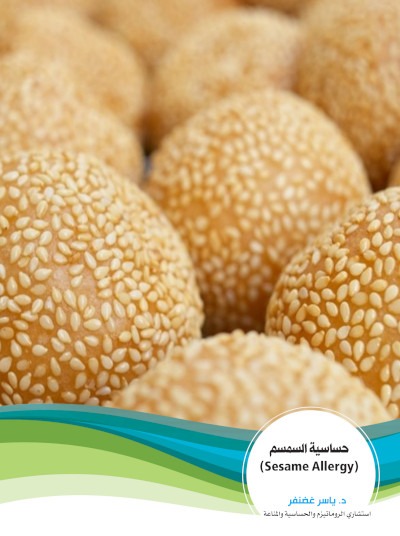
Sesame.jpg

April 13, 2026 Allergic diseases0

What is sesame allergy? A recent study has shown that sesame allergy ranks as the fourth most common food allergy in children worldwide, after milk, eggs, and peanuts. Sesame allergy appears to affect all ages, meaning that this type of food allergy is not usually characterised by rapid growth.


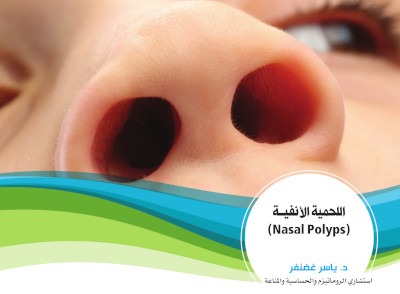
Nasal.jpg

April 13, 2026 Allergic diseases0

What are nasal polyps? Nasal polyps are soft, fleshy swellings that grow in the nose. They may be yellowish-green or pink in colour. Nasal polyps can become very large in size.


Immunodeficiencies-1200x880.jpg

April 13, 2026 Allergic diseases0

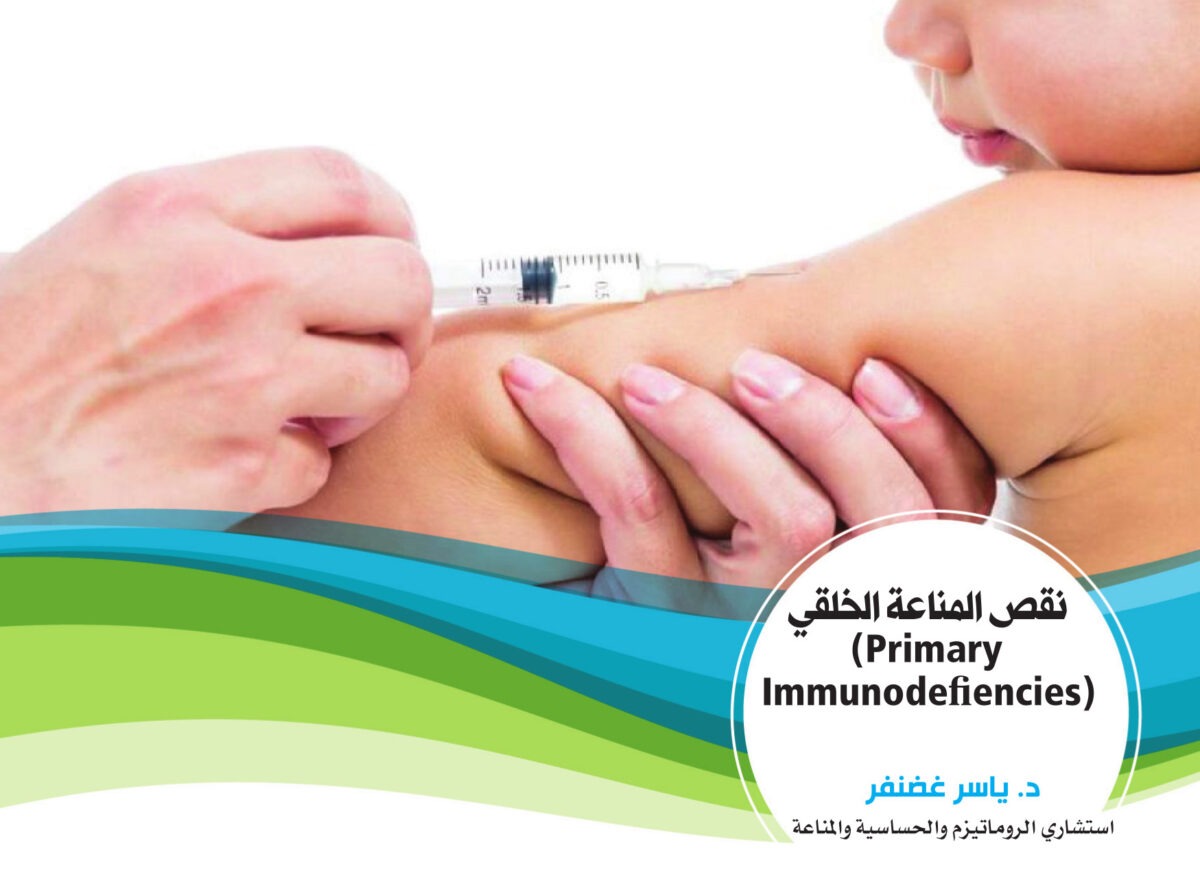
What is Primary Immunodeficiency (Primary PIDs)? Primary immunodeficiency disorders (PIDs) are rare disorders that present acutely. Those at the severe end of the spectrum can expose infants and children to less frequent infections, but severe primary immunodeficiency leads to life-threatening infections for the affected individual.


March.jpg

April 13, 2026 Allergic diseases0

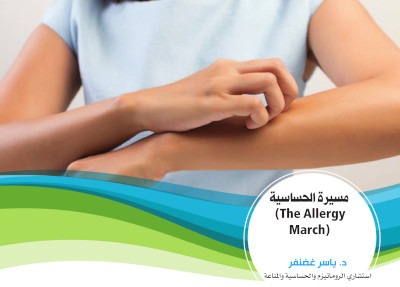
What is the Allergy March? The term "allergy march" describes how allergic diseases develop throughout a person's life. Allergies usually begin with eczema – a dry, red skin rash that causes intense itching and discomfort. Eczema is most commonly diagnosed within the first few months of life. For 1/3 to 1/2 of children, eczema is associated with underlying food allergies.


Anaphylaxis.jpg

April 13, 2026 Allergic diseases0

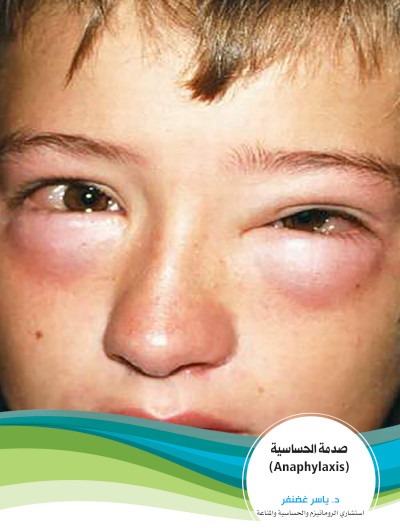
What is Anaphylaxis? Anaphylaxis (anaphylactic shock) is an allergic condition that can be severe and fatal. Anaphylaxis is the body's immune system responding poorly to a trigger, such as food, which is misinterpreted by the immune system as a threat to the body. Anaphylaxis must be treated as a medical emergency requiring immediate treatment.


cough.jpg

April 13, 2026 Allergic diseases0

Why does my child have a cough? A cough is an involuntary action to clear your airways of mucus and irritants such as dust or smoke. A cough may be "dry" or "chesty." It is also classified according to the duration of the cough:


Urticaria.jpg

April 13, 2026 Allergic diseases0

What is Urticaria (Hives)? Urticaria, sometimes called hives, consists of raised, red, itchy welts that appear on the skin as an allergic skin reaction. Urticaria can be classified as follows:


Environmental.jpg

April 13, 2026 Allergic diseases0

Asthma Triggers: Common Causes and Prevention Overview Some of the most common triggers of asthma symptoms are cigarette smoke, perfumes and strong odors, and cold air. Other environmental factors that can affect asthma patients include weather and climate changes, pollen, house dust, mold, and animals.


medicare-logo-footer

We are committed to providing the best healthcare to our patients according to the highest international standards in a comfortable and safe environment.

Social Media:


Facebook

X

Instagram